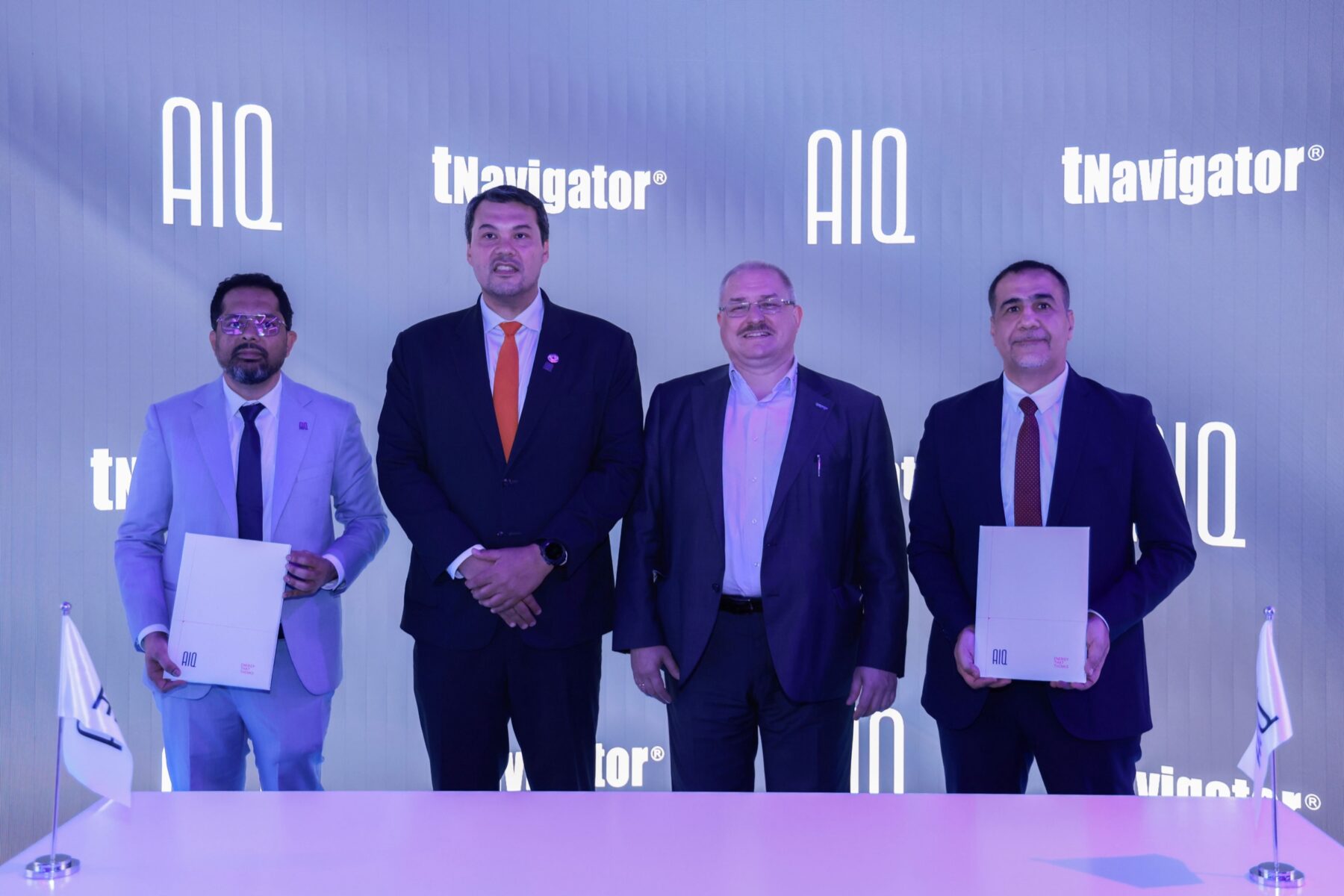
Abu Dhabi, UAE, 05 November, 2026 AIQ, the Abu Dhabi-based industrial AI company developing innovative solutions for the energy sector and beyond, announces the accessibility of Rock Flow Dynamics’ (RFD) tNavigator all-in-one subsurface platform, spanning seismic interpretation to surface network optimization, on Genesis, AIQ’s AI-native energy operating system.
Announced at ADIPEC 2026 where AIQ is the AI Co-Host, this cooperation represents a milestone in connecting advanced engineering intelligence with enterprise-wide workflows and execution across the energy value chain.
tNavigator integrates every stage of subsurface work, from seismic interpretation to surface network optimization, in one sophisticated package. It is an established integrated geoscience, modeling and simulation platform, supporting geoscientists and engineers in making complex technical decisions.
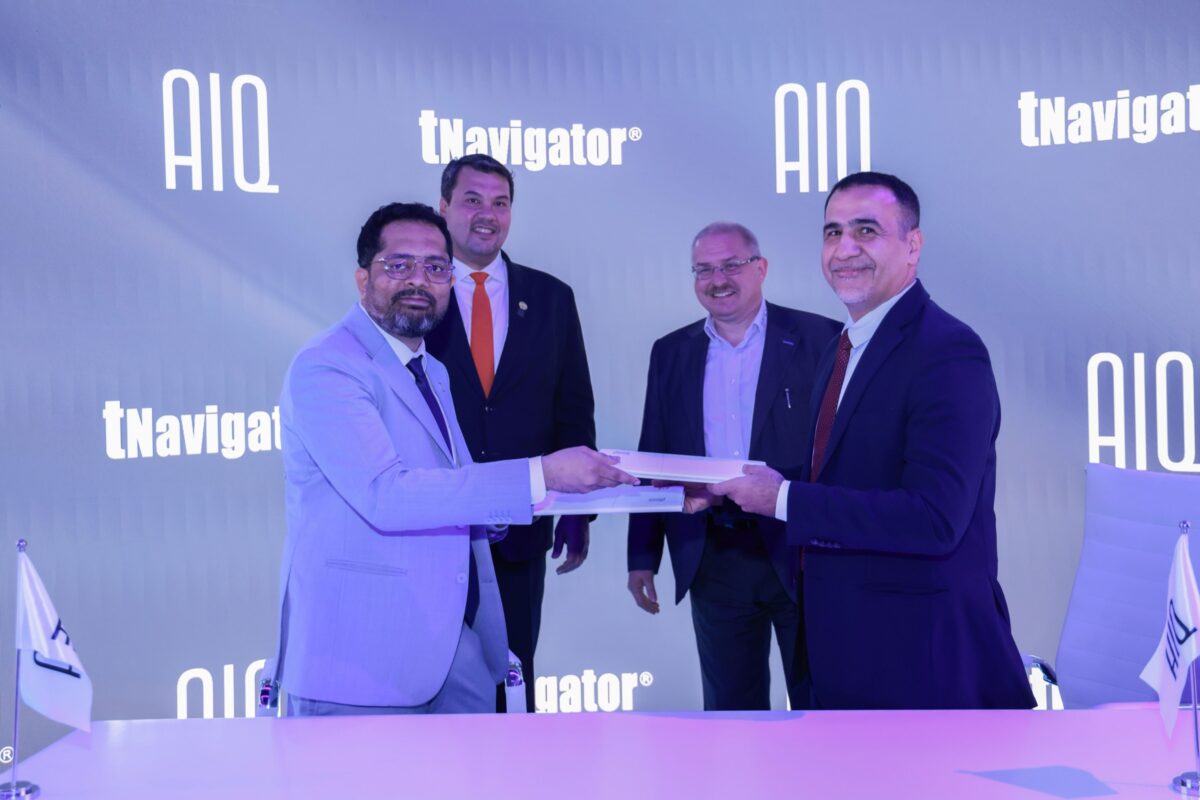
With tNavigator’s integration into Genesis, AIQ is advancing a new paradigm: moving from engineering intelligence in individual applications to intelligence connected across workflows, disciplines, and enterprise decisions.
Saravan Penubarthi, Chief Technology Officer of AIQ said, “Traditionally, reservoir engineering workflows involve multiple applications, engineering specialists, datasets and decision-making processes. While each system delivers significant technical capabilities, connecting their outputs to broader operational and business workflows can require substantial manual coordination. Genesis is designed to address this challenge, and the integration of tNavigator extends this vision into reservoir engineering and simulation.”
Kirill Bogachev, Chief Technology Officer of RFD commented, “Openness and extensibility are a core part of our roadmap, and tNavigator’s physics-based foundation is built to open a dialog with AI technologies. This collaboration with AIQ is a genuine articulation of that strategy on the ground, bringing our reservoir modeling and geoscience analysis together with AIQ’s AI-native operating environment and making it all meaningfully accessible to our customers.”
Amin Harby, Vice-President Middle East at RFD added, “This move puts tNavigator’s closed-loop modeling, high-speed calculations and solid physics at the heart of AI-enabled workflows for geoscientists and engineers. For operators in the Middle East and worldwide, it means trusted AI across seismic, geology, and field development planning. With AIQ’s expertise and RFD’s global reach, we will help customers unlock a new horizon of agile decision-making.”
Through this collaboration, subsurface workflows can become part of broader AI-enabled processes, connecting geoscience and reservoir analysis with multidisciplinary engineering, field development planning, and operational decision-making.
Potential applications include:
- AI-assisted subsurface workflows: Supporting geoscientists and engineers in navigating static and dynamic modeling workflows, retrieving relevant subsurface information and interpreting results.
- AI-enabled seismic interpretation: Applying machine learning to seismic data, from facies and horizon clustering to inversion that predicts petrophysical properties between wells, and connecting the results to modeling and decision workflows.
- Connected modeling and simulation workflows: Linking geological modeling, reservoir simulation and surface network activities with broader field development and planning processes.
- Multidisciplinary collaboration: Enabling subsurface insights to inform decisions across geoscience, reservoir, production, facilities and other engineering disciplines.
- Dynamic intelligence workflows: Connecting geoscience and engineering tasks, specialized tools, AI capabilities and human expertise through adaptive workflows.
- Faster decision cycles: Reducing manual handoffs between technical analysis, scenario evaluation and downstream decision-making.
These capabilities represent the direction of an increasingly connected, intelligent and autonomous upstream enterprise, with more third-party tools set to be included in Genesis.